
Best Tanzania Safari for Wildlife Photography: A Complete Guide


Tanzania is one of the world's most rewarding destinations for wildlife photography. From golden savannahs and dramatic mountain backdrops to intimate encounters with elephants, lions, cheetahs, and the Great Migration, every day can bring a new frame worth remembering. But the best Tanzania safari for wildlife photography is not simply about visiting famous parks—it is about choosing the right season, route, guide, and pace for your creative goals.
Why Tanzania is ideal for wildlife photography
Tanzania combines exceptional wildlife density with extraordinary landscapes. The Serengeti offers vast horizons and unforgettable predator action, while the Ngorongoro Conservation Area provides remarkable close-range sightings inside a natural volcanic amphitheater. Tarangire is known for elephants and ancient baobabs, and Lake Manyara can reward patient photographers with birds, primates, and beautiful light.
With experienced local guides and a well-planned itinerary, photographers can spend more time observing animal behavior instead of rushing from one sighting to another. That extra time is often what turns a good photograph into a powerful story.
The best Tanzania safari destinations for photographers
1. Serengeti National Park: dramatic wildlife and the Great Migration
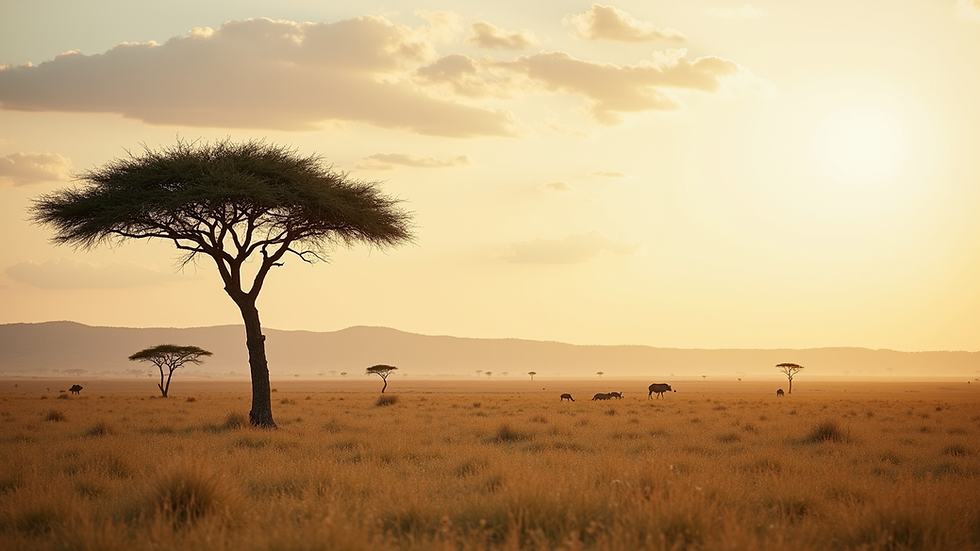
The Serengeti is the centerpiece of many wildlife photography safaris in Tanzania. Its open plains create clean backgrounds and excellent visibility, making it possible to photograph lions, cheetahs, leopards, wildebeest, zebras, and hyenas in natural settings.
For migration photography, the timing and location matter. The western corridor is famous for river crossings, while the northern Serengeti can offer dramatic scenes during the migration season. Even outside the migration, the Serengeti remains outstanding for resident wildlife and changing skies.
2. Ngorongoro Crater: close encounters and beautiful scenery
Ngorongoro Crater is one of the best places in Tanzania for photographers who want a high chance of seeing a wide range of wildlife in a compact area. The crater floor can offer lions, buffalo, elephants, hippos, flamingos, and critically endangered black rhinos.
The crater walls also create striking layers in landscape images. Early morning light is especially rewarding, so an early start can make a meaningful difference to both wildlife and scenic photographs.
3. Tarangire National Park: elephants, baobabs, and warm light
Tarangire is a favorite for photographers who love elephants and distinctive African landscapes. Large herds often gather around the Tarangire River, while ancient baobab trees provide memorable silhouettes and scale.
The park is particularly attractive during the dry season, when wildlife concentrates near water. Its quieter atmosphere can also give photographers more relaxed opportunities to compose images without the crowds found in busier areas.
4. Lake Manyara: birds, primates, and varied habitats
Lake Manyara offers a different photographic experience, with forest, wetlands, open plains, and lake scenery in one park. It is a rewarding stop for bird photographers, especially those interested in flamingos, raptors, and colorful waterbirds.
The forest can also produce excellent photographs of baboons, vervet monkeys, and other primates. A flexible lens and patience are valuable here because the scenery changes quickly from one habitat to the next.
When is the best time for a Tanzania wildlife photography safari?
The best time depends on the stories you want to photograph. The dry season, generally from June to October, often brings reliable wildlife sightings because animals gather near water and vegetation is less dense. It is a strong choice for first-time photographers and those seeking clear visibility.
January and February can be excellent for the wildebeest calving season in the southern Serengeti. Newborn animals, dramatic predator interactions, and soft green landscapes create powerful photographic opportunities. November and December can bring fresh green scenery and migratory movement, although short rains may occur.
There is no single perfect month for everyone. A knowledgeable safari planner can match your dates to the wildlife behavior, landscapes, and photography style you prefer.
Essential photography tips for your Tanzania safari
Bring a versatile telephoto lens, ideally with enough reach for distant wildlife, plus a wide-angle lens for landscapes and environmental portraits.
Use early mornings and late afternoons for softer light, richer colors, and more active wildlife.
Keep your shutter speed high enough to freeze movement, especially for birds, running animals, and vehicle-based photography.
Ask your guide to position the vehicle thoughtfully while respecting wildlife and park rules.
Pack extra batteries, memory cards, lens-cleaning supplies, and protection against dust.
Photograph behavior and habitat, not only close-up portraits. Storytelling images often feel more memorable.
Leave room in your schedule. Patience is one of the most valuable pieces of photography equipment.
How to choose the right photography safari itinerary
A strong photography itinerary should balance wildlife density, travel time, seasonal conditions, and your personal priorities. If predators are your main interest, the Serengeti deserves several days. If you want variety, combining Tarangire, Ngorongoro, and Serengeti creates a rich journey with different habitats and photographic moods.
Private or small-group safaris are often the best fit for photographers because they allow more flexibility with timing and composition. Your guide should understand animal behavior, light, camera positioning, and the importance of waiting for the right moment.
Create photographs—and memories—that last
The best Tanzania safari for wildlife photography is the one designed around your curiosity. Whether you dream of photographing a cheetah across the Serengeti, elephants beneath baobabs in Tarangire, or a sunrise above Ngorongoro Crater, thoughtful planning helps you experience Tanzania at its most authentic.
At Planet GOGO Adventure, we create personalized Tanzania safaris with experienced guides, careful planning, safety, comfort, and genuine local insight. Tell us what you hope to photograph, and we can help shape an itinerary around your vision.
Ready to plan your wildlife photography safari in Tanzania? Contact Planet GOGO Adventure to begin creating your unforgettable journey.


Comments